
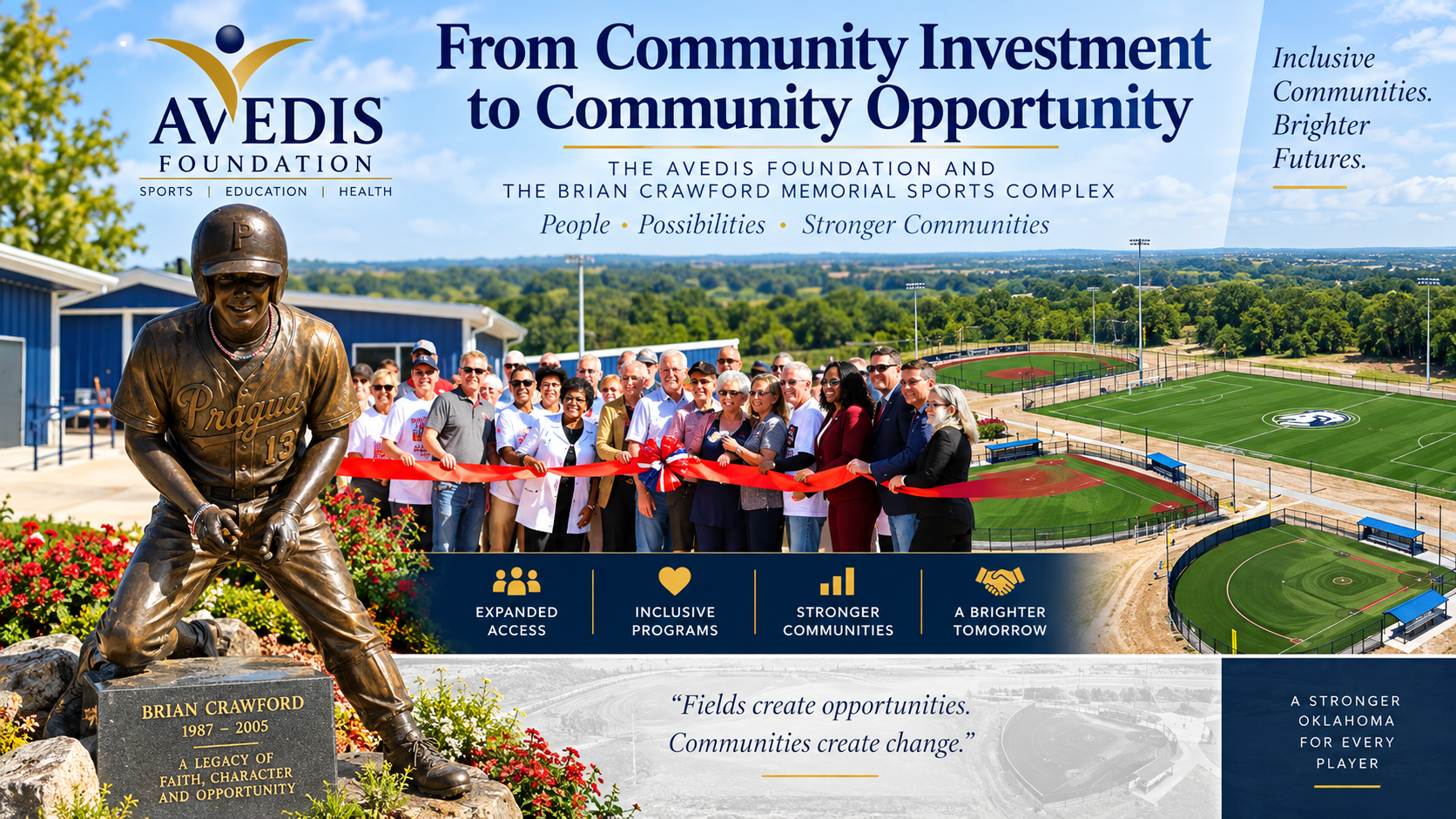
From Community Investment to Community Opportunity
An evidence-based inquiry into what the Avedis Adaptive Field can teach us about access, inclusion, collaboration and the long-term stewardship of community assets after the ribbon is cut.
An Existing Relationship — Not a Cold Introduction
Avedis Foundation and the Brian Crawford Memorial already share a documented history. In 2020, Avedis awarded $250,000 toward development of the Adaptive Field within the Brian Crawford Memorial Sports Complex in Seminole. The field opened with the complex in 2022. In 2024, Avedis invested an additional $70,000 for shade and accessible seating.
Initial Avedis Investment
The 2020 award materially helped move the Adaptive Field from a proposed component toward construction.
2024 Reinvestment
A later Avedis grant supported shade and accessible seating improvements.
2026 Participants
Seminole State College reported 54 participants in A League of Their Own during the 2026 season.
What the Original 2020–2021 Grant Record Adds
The recovered grant-development materials provide a historical baseline that public announcements alone cannot. The 2020 draft described the larger Brian Crawford Memorial Sports Complex as a regional community asset and identified the Adaptive Field as a special component dependent upon outside support. The application stated that without other external funding, the facility would not include an adaptive field.
The 2021 Avedis grant follow-up confirms the $250,000 award and describes an intended collaborative model involving the Seminole State College Educational Foundation, Brian Crawford Memorial Foundation and Cal Ripken, Sr. Foundation. The record contemplated regional access, structured programming, outcome measurement, financial stewardship and long-term operating arrangements.
From Vision to Stewardship
Vision & Investment
Avedis awards $250,000 toward the Adaptive Field.
Construction
Grant follow-up documents progress, additional SSCEF investment and final turf work.
Dedication
The complex and Adaptive Field move from construction into community use.
Reinvestment
Avedis provides another $70,000 for shade and accessible seating.
Stewardship
Adaptive programming continues while new questions emerge about long-term stewardship.
Concept & Construction → Dedication → Stewardship & Use
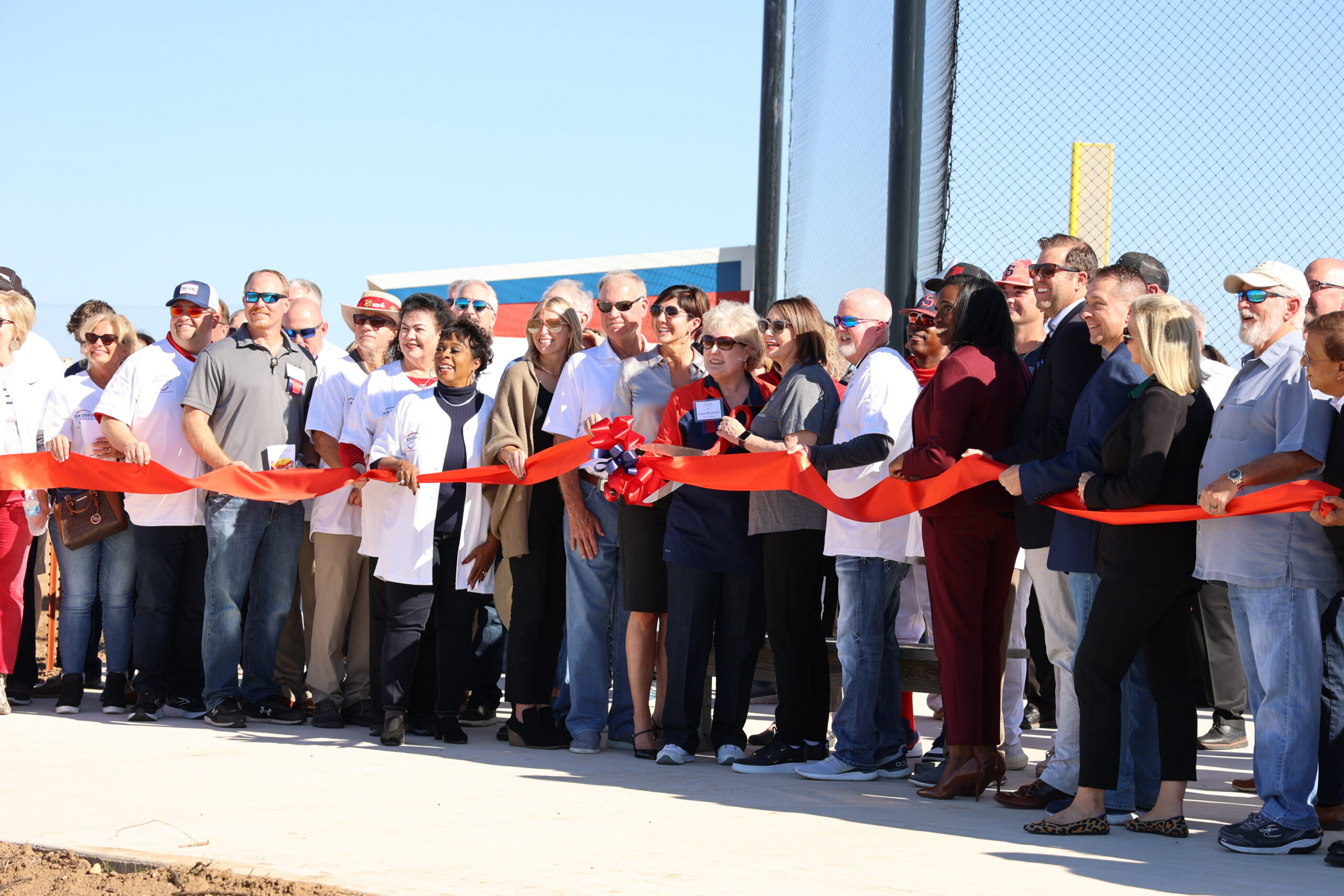
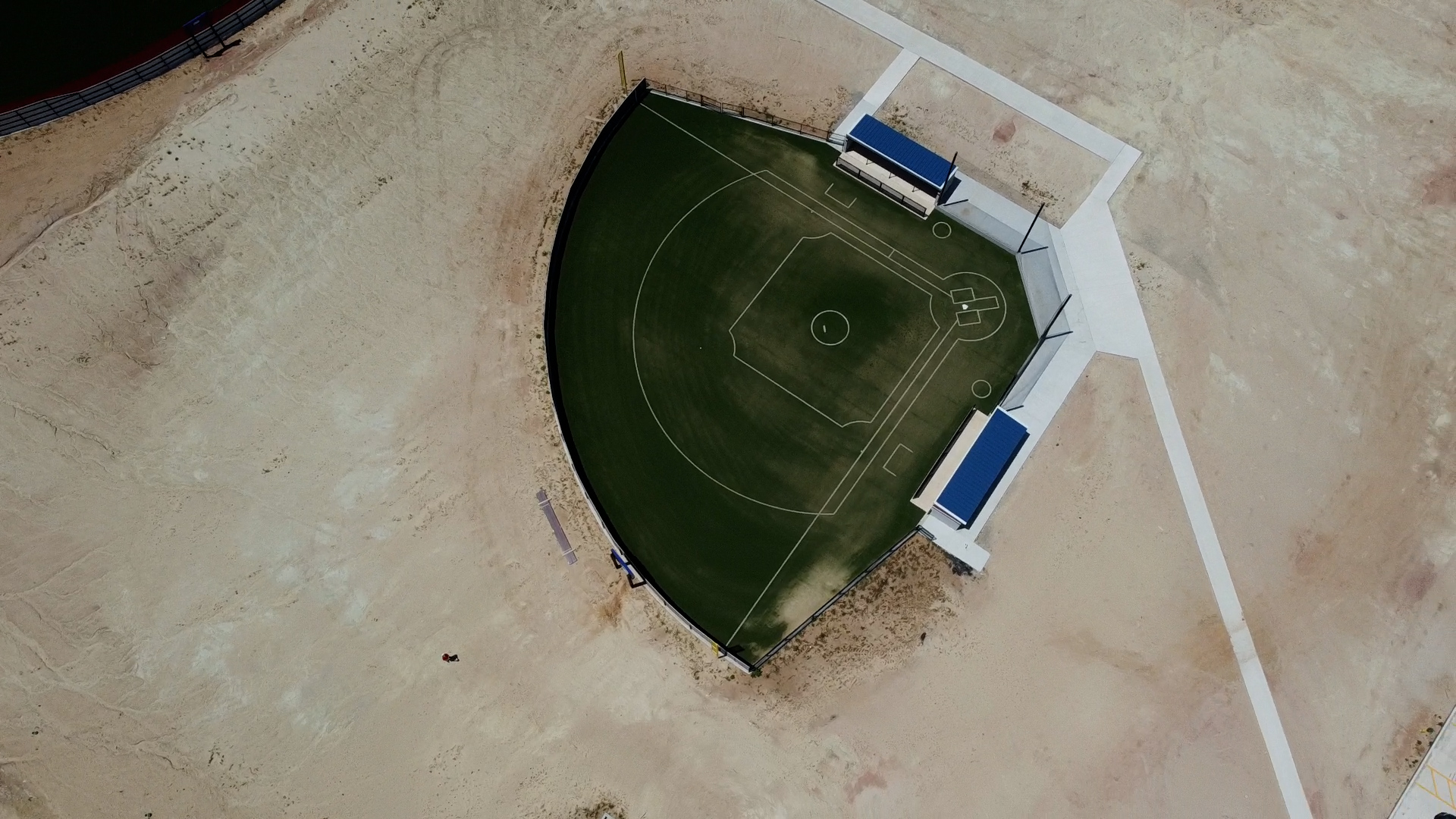
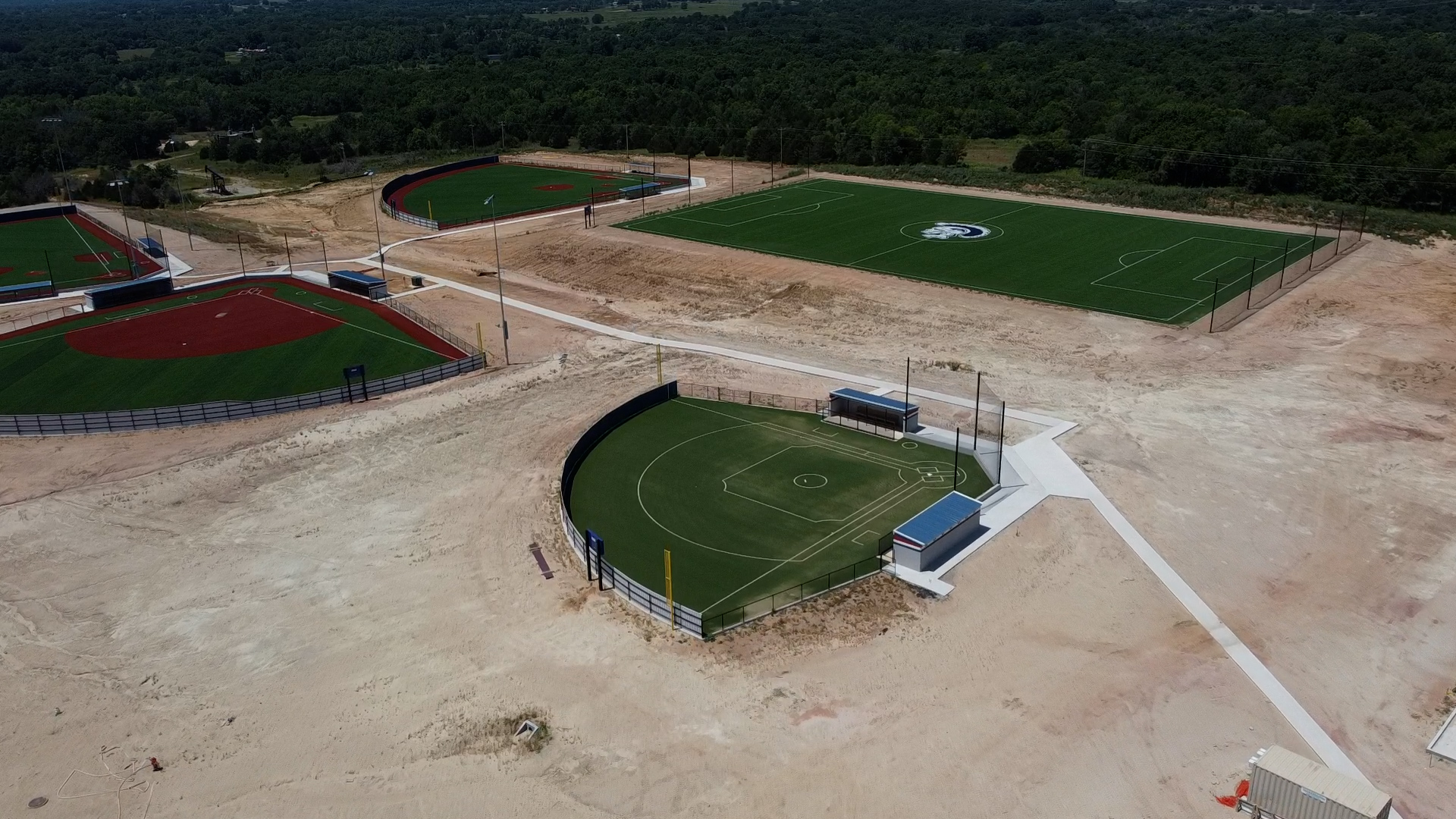
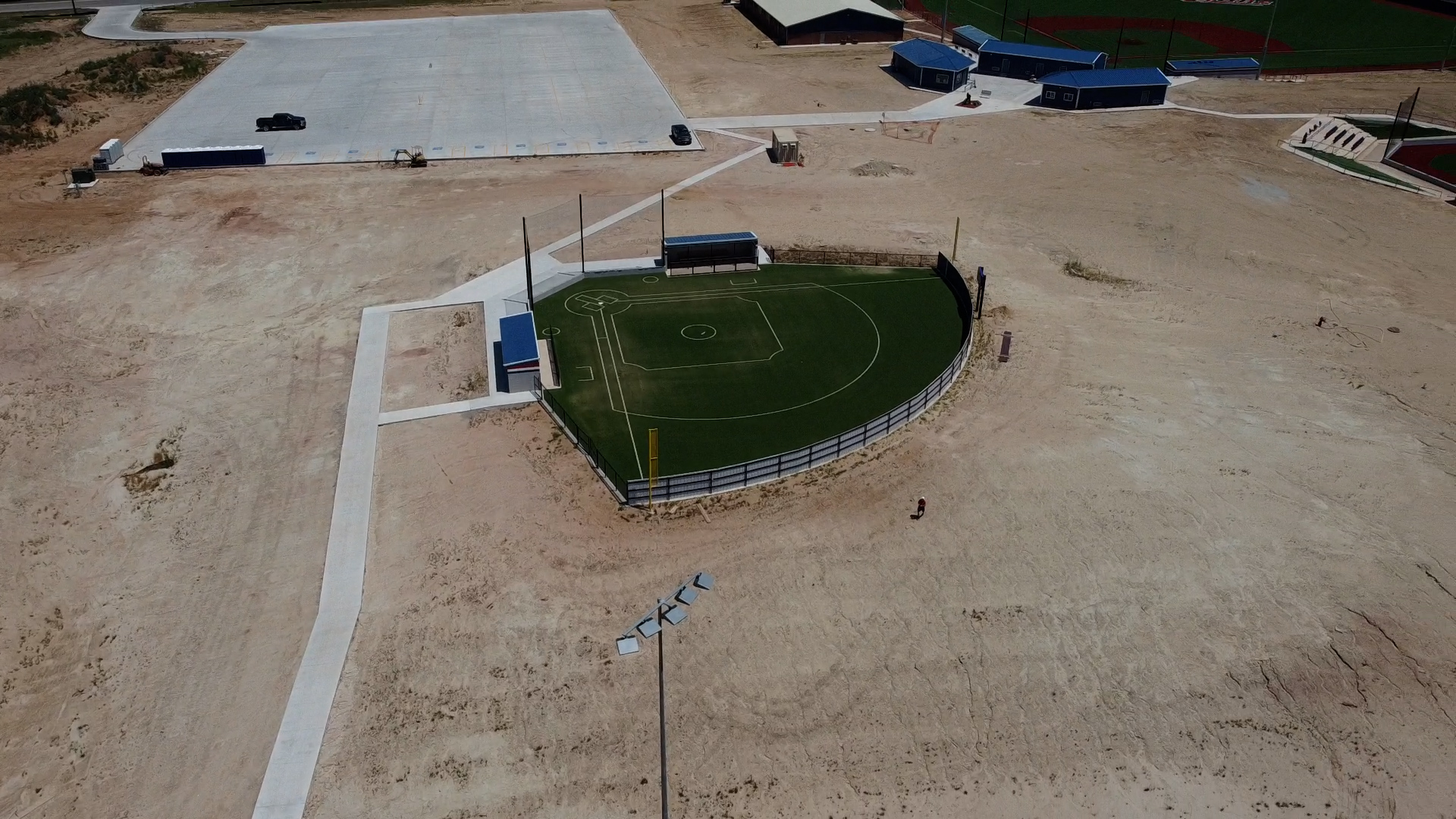
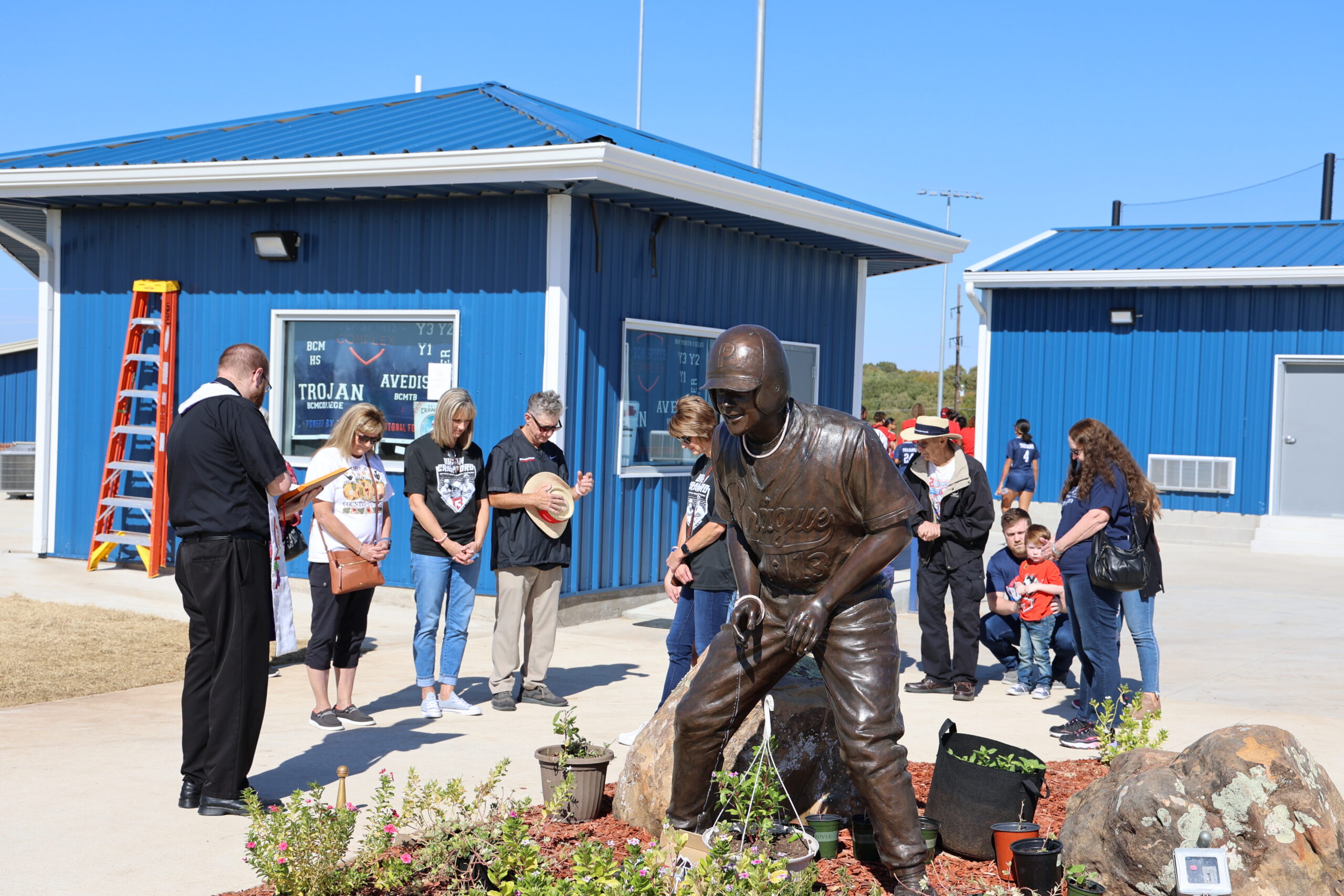
The Brian Crawford Memorial archive preserves construction-phase aerials and dedication photographs documenting the Adaptive Field as part of the larger sports-complex development.
Building the Asset Was One Chapter. Stewarding It Is Another.
A facility can be successfully funded and built while long-term questions remain about who it serves, how access is maintained, how programming evolves, how responsibilities survive leadership changes and how philanthropic investment is measured years after construction.
Where This May — and May Not — Fit Avedis
Avedis already works across the built environment, parks, schools, youth development, disability inclusion, nonprofit capacity, grant writing and cross-sector collaboration. That creates meaningful intersection — but it also creates duplication risk.
• finance another generic youth program;
• recreate nonprofit leadership or grant-writing services;
• assume routine responsibility for public facilities; or
• support political advocacy, lobbying, IRS matters or governmental-accountability investigations.
The proposition to test is narrower: whether BCM's long-term youth-sports and facility experience, combined with the Adaptive Field history, can contribute useful domain-specific knowledge about community-asset stewardship without duplicating work already underway.
Two Briefs. Two Different Purposes.
Executive Brief
The concise external-facing document. Start here for the existing relationship, the investment-to-stewardship framework, mission boundaries and the questions being presented to Avedis.
READ THE EXECUTIVE BRIEFStrategic Brief
The deeper evidence record, including the recovered 2020–2021 grant history, Original Commitment vs. Documented Outcome matrix, photographic evidence, duplication analysis and unresolved research questions.
READ THE STRATEGIC BRIEFReview First. Define the Problem Before Defining a Project.
Before developing a formal project or funding request, Brian Crawford Memorial would value Avedis Foundation's institutional perspective on four questions:
From a Field to a Framework
Avedis helped move an inclusive idea from proposal to a permanent community asset. Six years later, the question is not simply what was built. It is what the experience can teach us about sustaining community opportunity after the investment is made.
Recommended review path: Landing Page → Executive Brief → Strategic Brief → supporting historical records only if useful.